Let me walk you through what’s really happening with your SEO ranking drop and why the game has fundamentally changed.
The Traditional Reasons Behind SEO Ranking Drops
Before we dive into the AI revolution, let’s acknowledge that some ranking drops still happen for good old-fashioned reasons. Understanding these helps you diagnose whether your issues are traditional or part of the new AI-driven landscape.
Algorithm Updates Still Pack a Punch
Google pushes out thousands of updates each year, but the major core updates can shake things up dramatically. If your rankings dropped overnight, check Google’s Search Status Dashboard to see if a major update coincided with your decline. These updates now focus more heavily on content quality, user experience, and what Google calls “helpful content” which brings us closer to the AI conversation than you might think.
Technical Issues Can Torpedo Your Rankings
Sometimes the problem is straightforward. A broken robots.txt file, accidental noindex tags, slow page speeds, or mobile usability issues can all cause your rankings to plummet. The difference now is that search engines are less forgiving because they have better alternatives to recommend to users.
Your Backlink Profile Might Be Working Against You
If you’ve been building links through questionable means, or if your competitors have targeted you with negative SEO, your backlink profile could be dragging you down. Google’s algorithms have become incredibly sophisticated at identifying manipulative link patterns, and AI makes these detection systems even more powerful.
Content Decay Is Real
Here’s something many website owners overlook: content gets old. An article that was comprehensive and accurate two years ago might now be outdated, incomplete, or simply less relevant than newer content on the same topic. This is especially true in fast-moving industries like technology, health, or digital marketing.
How AI Search Engines Are Fundamentally Changing SEO
Now let’s talk about the elephant in the room or should I say, the AI in the algorithm. The integration of artificial intelligence into search engines isn’t just an upgrade; it’s a complete paradigm shift in how search works.
Understanding Search Intent Has Reached New Heights
Traditional search engines matched keywords. Modern AI-powered search understands context, intent, and nuance in ways that seemed impossible just a few years ago. When someone searches for “best camera,” AI doesn’t just look for pages with those words. It understands whether the person is a professional photographer, a parent looking to capture family moments, or a traveler wanting something portable. Your content needs to match not just keywords, but the deeper intent behind searches.
The Rise of Zero-Click Searches
Here’s a troubling trend for many website owners: Google, Bing, and other search engines are increasingly answering questions directly in the search results. AI Overviews, featured snippets, and knowledge panels mean users get their answers without ever clicking through to your site. Even if you rank number one, you might see a dramatic drop in traffic because AI is summarizing your content right there on the search results page.
ChatGPT, Perplexity, and the New Search Landscape
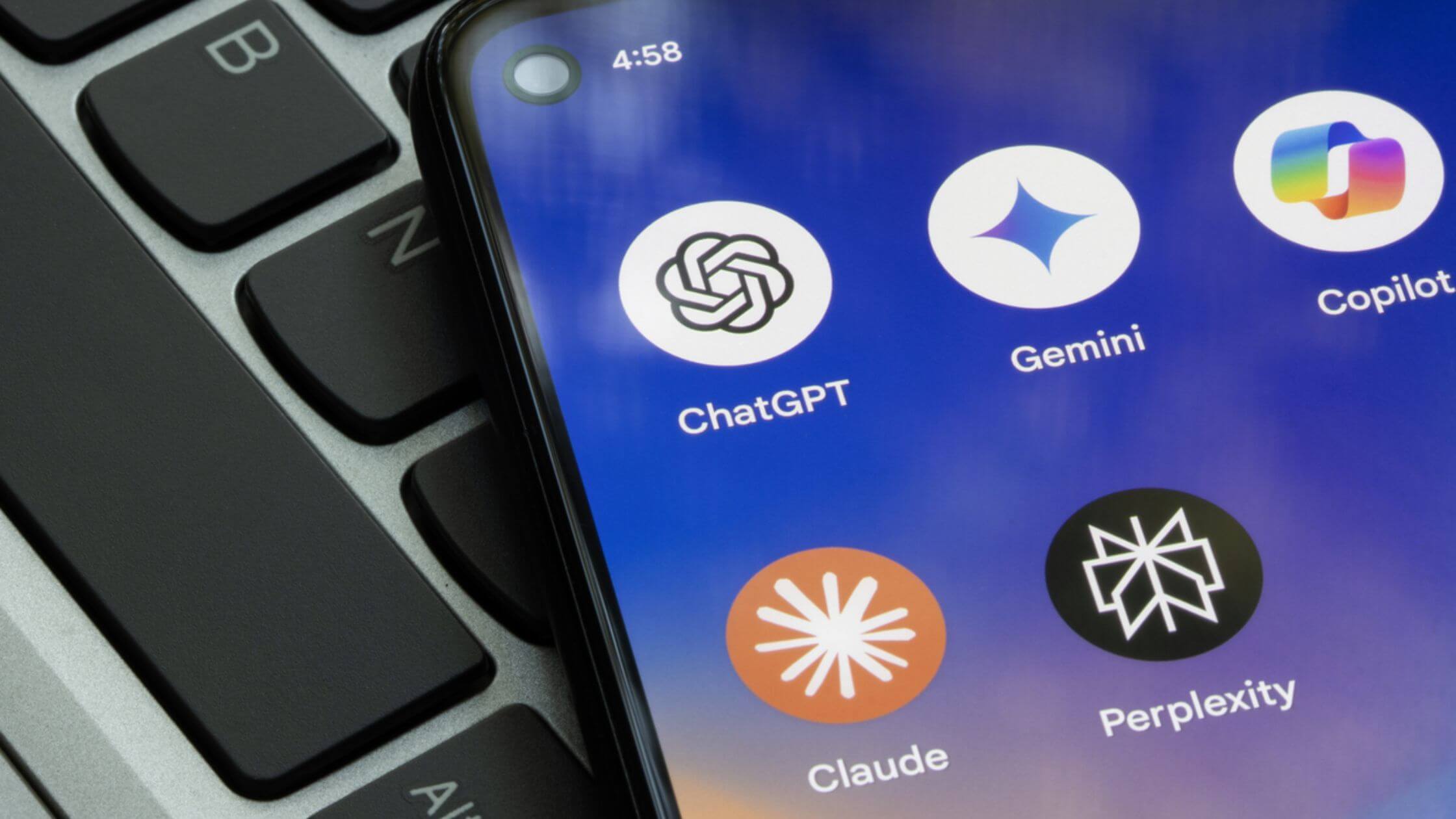
People are increasingly turning to AI chatbots for information instead of traditional search engines. ChatGPT, Perplexity, and similar tools are becoming alternative starting points for information gathering. These platforms pull from various sources, often without sending traffic back to the original content creators. If your SEO rankings dropped, consider that the playing field itself has expanded beyond traditional search engines.
Quality Signals Have Evolved
AI can analyze quality signals that were previously impossible to measure at scale. Things like content depth, originality, expertise demonstration, and user engagement are now assessed with frightening accuracy. Content that’s thin, derivative, or clearly written just for search engines gets identified and demoted faster than ever.
What an SEO Ranking Drop Means in the AI Era
The metrics you’ve relied on for years might not tell the whole story anymore. A ranking drop doesn’t always mean what it used to mean.
Position Matters Less Than Visibility
You could be ranking in position three but getting zero traffic because an AI Overview sits above you answering the question completely. Conversely, you might rank in position eight but drive significant traffic because you’re the only result offering something the AI summary can’t provide like a tool, calculator, or interactive element.
The Death of “Good Enough” Content
AI has raised the bar for what constitutes quality content. That 500-word blog post that used to rank? It’s competing against AI-generated comprehensive guides, expert analyses, and multimedia experiences. “Good enough” is no longer good enough. Your content needs to be exceptional, unique, or provide value that AI summaries simply cannot replicate.
User Experience Is No Longer Optional
Page speed, mobile optimization, intuitive navigation, and engaging design were always important. Now they’re critical. AI algorithms can measure user satisfaction signals with incredible precision. If people bounce from your site quickly or don’t engage with your content, AI notices and adjusts your rankings accordingly.
How to Recover and Thrive in the Age of AI Search
Don’t panic. While the landscape has changed, opportunities still exist for those willing to adapt. Here’s how to approach SEO in this new reality.
Create Content That AI Can’t Replicate
Focus on original research, personal experiences, case studies, and unique perspectives. AI can summarize existing information brilliantly, but it can’t (yet) conduct original studies, share personal anecdotes from your industry, or provide the kind of nuanced expertise that comes from years of experience. This is your competitive advantage.
Optimize for AI Overviews and Featured Snippets
Since you can’t beat them, join them. Structure your content to be easily pulled into AI summaries and featured snippets. Use clear headings, concise definitions, bulleted lists, and direct answers to common questions. When your content appears in an AI Overview, you still gain brand visibility and authority even if direct traffic decreases.
Build E-E-A-T Into Everything You Do
Google’s focus on Experience, Expertise, Authoritativeness, and Trustworthiness is more important than ever. Showcase author credentials, cite sources, demonstrate real-world experience, and build a reputation as a trusted voice in your niche. AI algorithms are designed to surface content from trustworthy sources, so invest in building yours.
Diversify Your Traffic Sources
Relying solely on Google for traffic was always risky. Now it’s potentially fatal. Build an email list, create a presence on social media, develop a YouTube channel, and consider emerging platforms. If your SEO rankings drop on one platform, you’ll have other streams of traffic to sustain your business.
Focus on Conversation and Intent, Not Just Keywords
Think about how people actually ask questions in conversation or to AI chatbots. Optimize for these natural language queries rather than just short-tail keywords. The shift from “best running shoes” to “what are the best running shoes for someone with flat feet who runs on pavement” reflects how search is evolving.
Monitor New Metrics
Don’t just track rankings. Monitor brand searches, direct traffic, time on site, scroll depth, engagement rates, and conversion metrics. These paint a more accurate picture of your SEO health in the AI era than rankings alone.
The Future of SEO in an AI-Dominated World
Looking ahead, SEO isn’t dying it’s evolving into something more sophisticated and, frankly, more aligned with what it should have been all along: creating genuinely valuable content for real people.
Human Expertise Will Become More Valuable
As AI becomes ubiquitous at generating and summarizing basic information, human expertise, creativity, and unique perspectives become more valuable as differentiators. Your personal insights, experiences, and specialized knowledge are assets that appreciate in value as AI content floods the internet.
Search Will Become More Personalized
AI enables hyper-personalization at scale. Search results will increasingly vary based on individual user history, preferences, and context. This means the concept of “the ranking” becomes somewhat obsolete. Focus on being the best answer for your specific audience rather than trying to rank for everyone.
Interactive and Multi-Media Content Will Win
Text-based content is easiest for AI to replicate and summarize. Invest in videos, podcasts, interactive tools, calculators, quizzes, and other formats that provide value AI summaries cannot. These also tend to generate better engagement signals, which feed back into your rankings.
Taking Action After an SEO Ranking Drop
If you’re currently experiencing an SEO ranking drop, here’s your action plan:
Diagnose Before You Treat
Run a comprehensive technical SEO audit. Check Google Search Console for manual actions, crawl errors, or coverage issues. Analyze your backlink profile for toxic links. Review your content for quality issues. Identify whether your drop correlates with an algorithm update. Only after you understand the problem should you implement solutions.
Audit Your Content Against AI Standards
Look at each piece of content and ask: Does this provide value beyond what an AI could generate or summarize? Is it based on unique expertise or research? Does it demonstrate clear experience and authority? If the answer is no, either improve it or remove it.
Rebuild for the Long Term
Quick fixes rarely work in modern SEO. Commit to building a sustainable, quality-focused approach. This means regular content updates, ongoing technical maintenance, continuous improvement of user experience, and genuine relationship-building within your industry.
Stay Informed and Flexible
The AI revolution in search is still unfolding. Stay current with changes from Google, Bing, and emerging AI platforms. Join SEO communities, follow industry experts, and be prepared to adapt your strategies as the landscape continues to evolve.
Frequently Asked Questions
Why did my SEO rankings drop suddenly?
Sudden ranking drops typically occur due to algorithm updates, technical issues like accidental noindex tags or site errors, manual penalties, or significant changes to Google’s search features like the introduction of AI Overviews. Check Google Search Console for notifications and the Search Status Dashboard for recent updates. If you can’t identify a clear cause, the drop might be related to how AI algorithms are reassessing content quality and relevance.
How do AI search engines differ from traditional search engines?
AI search engines understand context, intent, and nuance rather than just matching keywords. They can generate direct answers from multiple sources, understand natural language queries, assess content quality through advanced signals like engagement and expertise, and personalize results based on individual user patterns. Traditional search engines primarily matched keywords and relied on signals like backlinks and on-page optimization.
Can I recover from an SEO ranking drop caused by AI changes?
Yes, but recovery requires adapting to new standards. Focus on creating unique, expert-driven content that AI cannot replicate, optimize for featured snippets and AI Overviews, demonstrate clear E-E-A-T signals, improve user experience metrics, and diversify your content formats beyond text. Recovery timelines vary, but improvements typically become visible within 3-6 months of implementing comprehensive changes.
Should I still focus on traditional SEO if AI is taking over search?
Absolutely. Traditional SEO fundamentals like technical optimization, mobile-friendliness, page speed, quality content, and authoritative backlinks remain important. However, you should layer AI-era strategies on top of these fundamentals. Think of traditional SEO as the foundation and AI optimization as the advanced level that makes you competitive in today’s landscape.
How can I optimize my content for AI Overviews and featured snippets?
Structure your content with clear headings, provide concise answers to common questions early in your content, use bulleted or numbered lists for step-by-step information, include relevant statistics and data, define key terms clearly, and answer who, what, when, where, why, and how questions directly. Format your content so that AI can easily extract and summarize the most valuable information while still encouraging click-throughs for deeper insights.
Will SEO become obsolete with AI chatbots like ChatGPT?
SEO is evolving rather than becoming obsolete. While some informational queries may shift to AI chatbots, search engines still drive enormous traffic for commercial, local, and complex informational queries. Additionally, AI chatbots themselves pull information from the web, so having well-optimized, authoritative content helps you get cited by these tools. The businesses that will struggle are those creating low-quality content solely for search engines rather than users.
What metrics should I track instead of just rankings?
Focus on organic traffic volume and trends, branded search volume, click-through rates from search results, engagement metrics like time on site and scroll depth, conversion rates from organic traffic, visibility in AI Overviews and featured snippets, and overall search impression volume. These metrics provide a more complete picture of your search performance than rankings alone, especially as personalization makes individual rankings less meaningful.
The SEO ranking drop you’re experiencing isn’t necessarily a sign of failure, it might be a signal that you need to evolve your approach. The integration of AI into search represents the biggest shift in digital marketing since the advent of mobile, and those who adapt thoughtfully will find new opportunities in this landscape. Focus on creating genuinely valuable content, demonstrating real expertise, and serving your audience’s needs, and you’ll not just survive this transition you’ll thrive in it.