I’ve spent countless hours testing different microblogging platforms, and I’m here to break down the 10 most popular options available today. Whether you’re a complete beginner or a seasoned content creator, this guide will help you find the perfect platform for your needs.
What Exactly is Microblogging?
Before we dive into the rankings, let’s clear up what microblogging actually means. Think of it as blogging’s faster, more casual cousin. Instead of writing 2,000 word articles, you’re sharing bite-sized content, short updates, images, videos, or quick thoughts that typically range from a single sentence to a few hundred words.
The beauty of microblogging is its immediacy. You can share ideas as they come to you, engage with your audience in real-time, and build a following without needing to be a professional writer.
The 10 Most Popular Microblogging Platforms
1. X (formerly Twitter)
Let’s start with the platform that essentially defined microblogging. X remains the most popular microblogging platform for real-time conversations and breaking news.
Character limit: 280 characters (or longer with X Premium)
Best for: News junkies, thought leaders, brands wanting real-time engagement
Pros:
- Massive user base with over 500 million active users
- Excellent for trending topics and viral content
- Great networking opportunities
- Real-time engagement like no other platform
Cons:
- Can be overwhelming for beginners
- Algorithm changes frequently
- Requires consistent posting to maintain visibility
I’ve found X works best when you’re sharing timely insights or joining conversations about trending topics. It’s not the best free microblogging site for SEO backlinks since most links are nofollow, but the traffic potential is incredible.
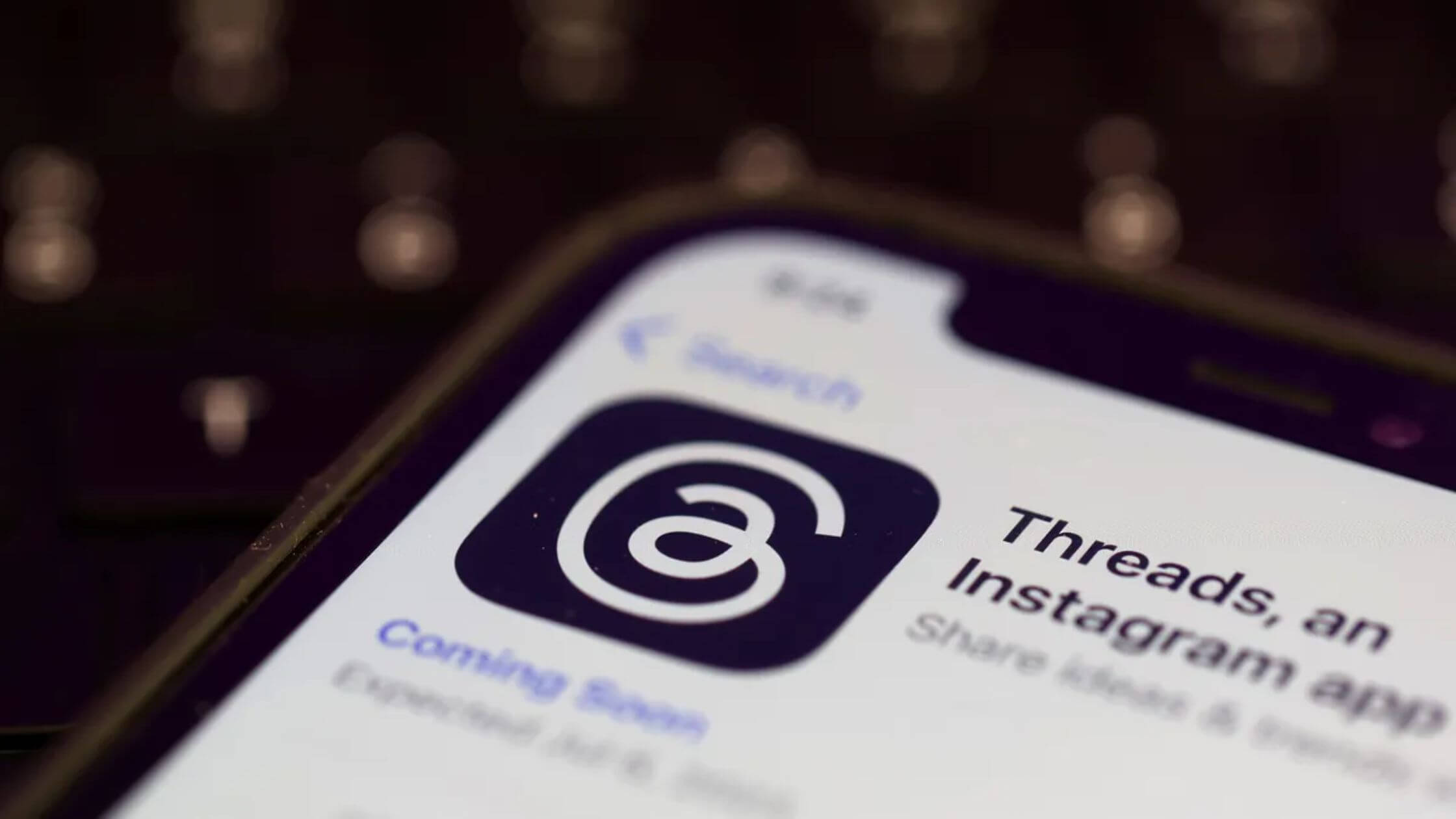
2. Threads by Meta
Meta’s answer to X launched in 2023 and quickly gained traction among users looking for a less chaotic microblogging experience.
Character limit: 500 characters
Best for: Instagram users, brands with existing Meta presence
Pros:
- Seamless integration with Instagram
- Clean, user-friendly interface
- Growing user base
- Less toxic environment compared to X
Cons:
- Still developing core features
- Limited search functionality
- Heavily tied to Instagram ecosystem
Threads is one of the best microblogging sites for beginners because of its intuitive design and familiar feel if you’re already using Instagram.
3. Tumblr
Don’t sleep on Tumblr. This platform has been around since 2007 and maintains a dedicated community of creative users.
Character limit: Essentially unlimited for text posts
Best for: Artists, writers, fandoms, creative communities
Pros:
- Highly customizable blog themes
- Mix of short and long-form content
- Strong community features
- Good for SEO with dofollow backlinks
Cons:
- Smaller mainstream audience
- Can feel niche or cliquish
- Mobile app limitations
Tumblr stands out as one of the best free microblogging sites for SEO backlinks because it allows dofollow links and has good domain authority.
4. LinkedIn
While primarily known as a professional networking site, LinkedIn has evolved into a powerful microblogging platform for business content.
Character limit: 3,000 characters for posts
Best for: Professionals, B2B marketers, thought leaders
Pros:
- Highly engaged professional audience
- Excellent for building credibility
- Strong networking opportunities
- Great organic reach compared to other platforms
Cons:
- Professional focus may feel limiting
- Not suitable for casual or personal content
- Can feel corporate or stuffy
I’ve personally seen tremendous engagement on LinkedIn with simple, authentic posts about professional experiences. It’s particularly effective for establishing authority in your industry.
5. Mastodon
This decentralized, open-source platform gained significant attention as users looked for X alternatives.
Character limit: 500 characters (default, but server-dependent)
Best for: Privacy-conscious users, tech enthusiasts, niche communities
Pros:
- No corporate ownership
- Ad-free experience
- Community-driven moderation
- Freedom to choose or create your server
Cons:
- Steeper learning curve for beginners
- Smaller user base
- Fragmented experience across servers
Mastodon represents something different a community-owned alternative to corporate social media. It’s not the easiest for beginners, but it’s worth exploring if you value privacy and decentralization.
6. Bluesky
Created by Twitter’s co-founder Jack Dorsey, Bluesky offers a familiar microblogging experience with a decentralized twist.
Character limit: 300 characters
Best for: Early adopters, X refugees, tech-savvy users
Pros:
- Familiar interface for X users
- Chronological timeline
- Growing developer ecosystem
- Less algorithmic manipulation
Cons:
- Smaller user base
- Still in development
- Limited features compared to established platforms
Bluesky is gaining momentum as one of the most popular microblogging platforms for users seeking a Twitter-like experience without the chaos.
7. Reddit
While Reddit is technically a discussion forum, many subreddits function as microblogging communities.
Character limit: 40,000 characters for posts
Best for: Niche communities, discussion-oriented content, Q&A
Pros:
- Massive, diverse user base
- Incredibly niche communities
- High-quality discussions
- Good for SEO and traffic
Cons:
- Strict community rules
- Can be difficult to gain traction
- Each subreddit has different cultures and expectations
Reddit excels when you’re targeting specific interests or communities. The platform’s discussion format makes it unique among microblogging options.
8. Medium
Medium sits on the border between blogging and microblogging, allowing both short and long-form content.
Character limit: No strict limit, but microblog-style posts work well
Best for: Writers, thought leaders, anyone building a writing portfolio
Pros:
- Beautiful, distraction-free reading experience
- Built-in audience discovery
- Potential to earn money through the Partner Program
- Excellent SEO potential
Cons:
- Paywall can limit reach
- Algorithm favors certain topics
- Less social features than pure microblogging platforms
Medium is perfect if you want something between traditional blogging and microblogging. It’s one of the best microblogging sites for beginners who want to focus on writing quality content.
9. Instagram (with emphasis on Captions and Stories)
Instagram isn’t traditionally considered a microblogging platform, but the way people use captions and Stories has evolved into a form of microblogging.
Character limit: 2,200 characters for captions
Best for: Visual storytellers, lifestyle brands, influencers
Pros:
- Massive, highly engaged user base
- Excellent for visual content
- Strong e-commerce integration
- Multiple content formats (posts, Stories, Reels)
Cons:
- Requires visual content
- Links are limited
- Algorithm can be frustrating
- Heavy competition for attention
Instagram works brilliantly when you pair visual content with meaningful captions. The Stories feature, in particular, offers a microblogging experience that disappears after 24 hours.
10. Pinterest
Hear me out, Pinterest’s pin descriptions function as microblog posts that drive significant traffic.
Character limit: 500 characters for descriptions
Best for: Bloggers, e-commerce, visual content creators, DIY enthusiasts
Pros:
- Exceptional for driving website traffic
- Long content lifespan (pins resurface for months)
- Strong search functionality
- Excellent for SEO backlinks
Cons:
- Requires images
- Not traditional social engagement
- Can feel one-directional
Pinterest is an underrated gem among the best free microblogging sites for SEO backlinks. Pins can drive traffic for years after posting, and the platform actively encourages linking to external content.
Microblogging vs Blogging: Which Is Better?
This is probably the most common question I get, and honestly, it’s not an either-or situation. Both have unique advantages:
Microblogging excels at:
- Quick content creation
- Real-time engagement
- Building community through conversation
- Testing ideas before expanding them
- Maintaining consistent presence with less effort
Traditional blogging excels at:
- In-depth expertise demonstration
- Long-term SEO value
- Comprehensive resource creation
- Building email lists
- Establishing deep authority
The truth? The best approach is using both. I use microblogging to share quick insights and engage daily, while my blog hosts comprehensive guides that provide lasting value. Microblog posts can even serve as research for longer blog articles seeing which quick posts resonate helps me know what topics deserve deeper exploration.
For beginners, I actually recommend starting with microblogging. It’s less intimidating than staring at a blank blog post template, and you’ll learn what your audience cares about before investing hours in long-form content.
How to Choose the Right Platform for You
With so many options, how do you pick? Consider these factors:
Your content type: Are you sharing text, images, videos, or a mix? Some platforms favor visual content while others are text-focused.
Your audience: Where do your potential readers already spend time? Meet them where they are.
Your goals: Are you building brand awareness, driving traffic, generating leads, or just sharing thoughts? Different platforms excel at different objectives.
Your commitment level: How much time can you realistically dedicate? Some platforms demand constant activity while others reward less frequent but quality posting.
SEO needs: If backlinks matter to you, prioritize platforms like Tumblr, Pinterest, and Medium that offer SEO value.
Final Thoughts
The microblogging landscape is richer and more diverse than ever. While X might be the most popular microblogging platform by user numbers, it’s definitely not the only or necessarily the best option for everyone.
My recommendation? Start with one or two platforms that align with your goals and audience. Master those before expanding. I’ve seen too many people spread themselves thin across six platforms and burn out within months.
Remember, the best platform is the one you’ll actually use consistently. Whether that’s X, LinkedIn, Tumblr, or something else entirely, consistency and authentic engagement will always beat trying to be everywhere at once.
What’s your experience been with microblogging? I’d love to hear which platforms work best for you and why.
Frequently Asked Questions
Q: What is the most popular microblogging platform in 2025?
A: X (formerly Twitter) remains the most popular microblogging platform globally with over 500 million active users. However, platforms like Threads and LinkedIn are rapidly growing, and “most popular” can vary depending on your specific niche or industry.
Q: Which microblogging platform is best for beginners?
A: Threads and Medium are among the best microblogging sites for beginners. Threads offers a clean, simple interface that’s easy to navigate, especially if you already use Instagram. Medium provides a beautiful writing experience with built-in discoverability. LinkedIn is also beginner-friendly if you’re focused on professional content.
Q: Can I use microblogging platforms for SEO and backlinks?
A: Yes! Tumblr, Medium, and Pinterest are the best free microblogging sites for SEO backlinks. These platforms offer dofollow links and have high domain authority. Reddit can also provide SEO value, though most of its links are nofollow. X and most other social platforms use nofollow links, but they can still drive significant referral traffic.
Q: Microblogging vs blogging, which should I choose?
A: You don’t have to choose just one. Microblogging is better for quick engagement, testing ideas, and maintaining daily presence with minimal time investment. Traditional blogging is superior for in-depth content, long-term SEO, and establishing comprehensive authority. Most successful content creators use both: microblogging for daily engagement and traditional blogging for cornerstone content.
Q: How often should I post on microblogging platforms?
A: It varies by platform. X and Threads reward multiple daily posts (3-5 times). LinkedIn performs well with 2-3 posts weekly. Tumblr and Medium don’t require daily posting quality matters more than quantity. Pinterest benefits from consistent daily pinning. Start with what’s sustainable for you and adjust based on engagement.
Q: Are microblogging platforms free to use?
A: Most microblogging platforms are free with optional premium features. X, Threads, Tumblr, Mastodon, Bluesky, LinkedIn, and Reddit all offer robust free versions. X Premium, LinkedIn Premium, and Medium’s Partner Program offer additional features for paid subscribers, but the free versions are fully functional for most users.
Q: Can I make money from microblogging?
A: Yes, though approaches vary. Medium offers direct payment through its Partner Program. X Premium allows revenue sharing on certain content. Other platforms like LinkedIn and Tumblr support monetization indirectly through building audience, promoting products/services, or driving traffic to monetized content elsewhere. Many creators use microblogging to build audiences they monetize through other channels.
Q: Which microblogging platform has the best engagement rates?
A: LinkedIn currently offers the best organic engagement rates, especially for professional content. Niche communities on Reddit and Mastodon can also see exceptional engagement. X’s engagement varies widely based on following and content type. Threads is still establishing its engagement patterns. The “best” engagement often comes from smaller, more targeted communities rather than the largest platforms.